

Transform your wardrobe from ordinary to extraordinary with the power of strategic belt placement. Mastering belt styling with sweater and dress layered outfit combinations is the secret weapon that fashion insiders use to create stunning, put-together looks that command attention and exude confidence.
Layering sweaters over dresses creates endless styling possibilities, but adding the perfect belt takes your outfit from good to absolutely breathtaking. This comprehensive guide reveals professional styling secrets that will revolutionize how you approach layered dressing forever.
Why Belt Styling Transforms Layered Outfits
The art of belt styling with sweater and dress layered outfit combinations lies in understanding how accessories can completely reshape your silhouette. Belts serve as powerful tools that define your waist, create visual interest, and add sophisticated polish to any layered look.
When you layer a sweater over a dress without proper styling, the result often appears shapeless and unflattering. However, introducing a well-chosen belt instantly creates structure, highlights your natural curves, and transforms loose layers into a tailored, intentional ensemble.
Fashion stylists consistently rely on belts to solve common layering challenges. They use belts to break up long lines, add textural contrast, and create focal points that draw the eye to the most flattering parts of the body.
Essential Belt Types for Sweater and Dress Layering
Wide Statement Belts for Maximum Impact
Wide belts measuring 2-4 inches create dramatic visual impact when styling sweater and dress combinations. These bold accessories work exceptionally well with flowy dresses and oversized sweaters, instantly cinching the waist and creating an hourglass silhouette.
Statement belts in leather, suede, or fabric draw immediate attention to your midsection while adding luxurious texture to your outfit. Choose colors that either complement or boldly contrast with your layered pieces for maximum styling impact.
The key to success with wide belts lies in positioning. Place them at your natural waist, the narrowest part of your torso, to create the most flattering proportions and ensure your belt styling with sweater and dress layered outfit combinations looks intentional rather than accidental.
Skinny Belts for Subtle Definition
Narrow belts measuring 0.5-1.5 inches offer sophisticated subtlety perfect for delicate layering scenarios. These versatile accessories work beautifully with fitted sweaters and structured dresses, adding gentle definition without overwhelming your outfit’s proportions.
Skinny belts excel at creating clean lines and polished finishes. They’re particularly effective when you want to maintain a streamlined silhouette while still achieving the waist-defining benefits that make belt styling with sweater and dress layered outfit combinations so effective.
Consider metallic finishes, chain details, or unique buckle designs to add personality without bulk. These details create visual interest while maintaining the refined aesthetic that makes skinny belts so versatile.
Strategic Belt Placement Techniques
Over-Sweater Styling Methods
Wearing belts over sweaters creates striking visual contrast and immediate structure. This technique works best with slightly oversized or loose-fitting sweaters that benefit from waist definition.
When implementing this approach to belt styling with sweater and dress layered outfit combinations, ensure your sweater has enough fabric to create gentle gathering around the belt. This creates flattering draping that enhances rather than restricts your natural shape.
Position the belt at your natural waist and adjust the sweater fabric to create even, attractive gathering. This technique instantly transforms boxy sweaters into fitted, feminine silhouettes that showcase your figure beautifully.
Under-Sweater Belt Applications
Belting underneath open cardigans or lightweight sweaters creates subtle structure while maintaining layered sophistication. This technique allows the dress to remain the focal point while the belt provides invisible support and shaping.
This method of belt styling with sweater and dress layered outfit combinations works particularly well with wrap dresses, fit-and-flare styles, and any dress that already has natural waist definition. The belt enhances existing structure rather than competing with it.
Choose belts in colors that complement your dress rather than your sweater for cohesive styling. This creates visual continuity between the belt and the layer closest to your body, resulting in a more polished, intentional appearance.
Color Coordination Strategies for Belted Layers
Monochromatic Belt Styling Approaches
Creating tonal outfits using various shades of the same color family produces sophisticated, elevated results. When implementing monochromatic belt styling with sweater and dress layered outfit combinations, vary textures and finishes to add visual interest.
Choose belts in slightly different shades than your main pieces to create subtle contrast without disrupting the overall color harmony. This approach works particularly well with neutral color palettes like beiges, grays, and navy tones.
Metallic accents through buckles or belt details can elevate monochromatic looks without breaking the color story. Gold and silver details add luxurious touches that enhance rather than compete with your carefully coordinated palette.
Contrasting Color Techniques
Bold color contrasts create dynamic, eye-catching outfits that make strong style statements. When using contrasting colors in your belt styling with sweater and dress layered outfit combinations, follow the 60-30-10 rule for balanced color distribution.
Your dress should represent the dominant color (60%), your sweater the secondary color (30%), and your belt the accent color (10%). This creates visually pleasing proportions that prevent any single element from overwhelming the overall look.
Consider complementary colors on the color wheel for maximum impact, or use analogous colors for softer, more harmonious contrast. Both approaches create visually interesting combinations that showcase your styling expertise.
Seasonal Belt Styling Applications
Spring and Summer Layering Solutions
Warmer months require lighter fabrics and breathable styling approaches. Focus on belt styling with sweater and dress layered outfit combinations using lightweight cardigans, linen blends, and cotton knits that won’t add excessive warmth.
Choose belts in bright colors, fun patterns, or natural materials like woven straw or canvas to complement the season’s lighter aesthetic. These materials add textural interest while maintaining the casual, relaxed vibe appropriate for warm weather.
Consider reversible belts or interchangeable buckle systems that offer versatility for multiple outfit combinations. This approach maximizes your styling options while minimizing the number of accessories needed for complete seasonal wardrobes.
Fall and Winter Belt Integration
Colder months allow for more substantial fabrics and dramatic styling choices. Implement belt styling with sweater and dress layered outfit combinations using chunky knits, wool blends, and structured outerwear pieces.
Rich, deep colors like burgundy, forest green, and chocolate brown complement autumn and winter palettes while adding warmth and richness to layered looks. These colors work beautifully with both neutral and bold dress colors.
Consider belts with interesting hardware, buckle details, or unique textures that add visual weight appropriate for heavier seasonal fabrics. These elements create balanced proportions that complement rather than compete with substantial layering pieces.
Body Type Considerations for Belted Layering
Petite Frame Styling Strategies
Petite women benefit from strategic belt styling with sweater and dress layered outfit combinations that create length and proportion without overwhelming smaller frames. Choose medium-width belts that define the waist without dominating the overall silhouette.
Position belts at the natural waist to create the most flattering proportions and avoid cutting the body at unflattering points. This technique maximizes leg length while maintaining balanced upper body proportions.
Avoid overly wide belts or excessive buckle details that can overwhelm petite frames. Instead, focus on clean lines and proportionate accessories that enhance rather than overpower your natural build.
Curvy Figure Enhancement Tips
Women with curvier figures can use belts strategically to highlight their natural waist and create stunning hourglass silhouettes. Wide belts work particularly well for showcasing curves while providing structure and support.
When implementing belt styling with sweater and dress layered outfit combinations for curvy figures, ensure belts sit comfortably at the natural waist without creating bulges or unflattering lines. The goal is enhancement, not restriction.
Choose belts with substantial presence that can hold their own against fuller bust and hip lines. Delicate, narrow belts may appear disproportionate and fail to provide the visual impact necessary for balanced styling.
Professional vs. Casual Belt Styling Approaches
Workplace-Appropriate Techniques
Professional environments require polished, sophisticated approaches to belt styling with sweater and dress layered outfit combinations. Focus on classic colors, quality materials, and timeless designs that complement business attire.
Leather belts in black, brown, or navy provide versatile options that work with multiple outfits while maintaining professional appropriateness. Choose minimal hardware and clean lines that project competence and attention to detail.
Ensure all elements of your layered outfit maintain the same level of formality. Mixing casual and formal pieces can undermine your professional image and create visual discord in business settings.
Weekend and Casual Styling Freedom
Relaxed environments offer opportunities for creative expression and experimental styling choices. Embrace bold colors, unique textures, and statement pieces when creating casual belt styling with sweater and dress layered outfit combinations.
Consider fabric belts, braided designs, or belts with interesting buckle details that add personality and reflect your individual style. These elements create visual interest while maintaining the comfortable, approachable aesthetic appropriate for casual settings.
Mix textures, patterns, and colors more freely in casual environments. This freedom allows for creative expression and helps develop your personal styling voice through experimentation and play.
Common Belt Styling Mistakes to Avoid
Many people struggle with belt positioning, often placing belts too high or too low on their torso. Proper belt styling with sweater and dress layered outfit combinations requires precise placement at the natural waist for most flattering results.
Avoid belts that compete with your outfit’s existing details or colors. The belt should enhance your layered look, not distract from it or create visual chaos through poor coordination.
Never sacrifice comfort for style. Belts that are too tight create unflattering bulges and restrict movement, while belts that are too loose fail to provide the structure and definition that make layering effective.
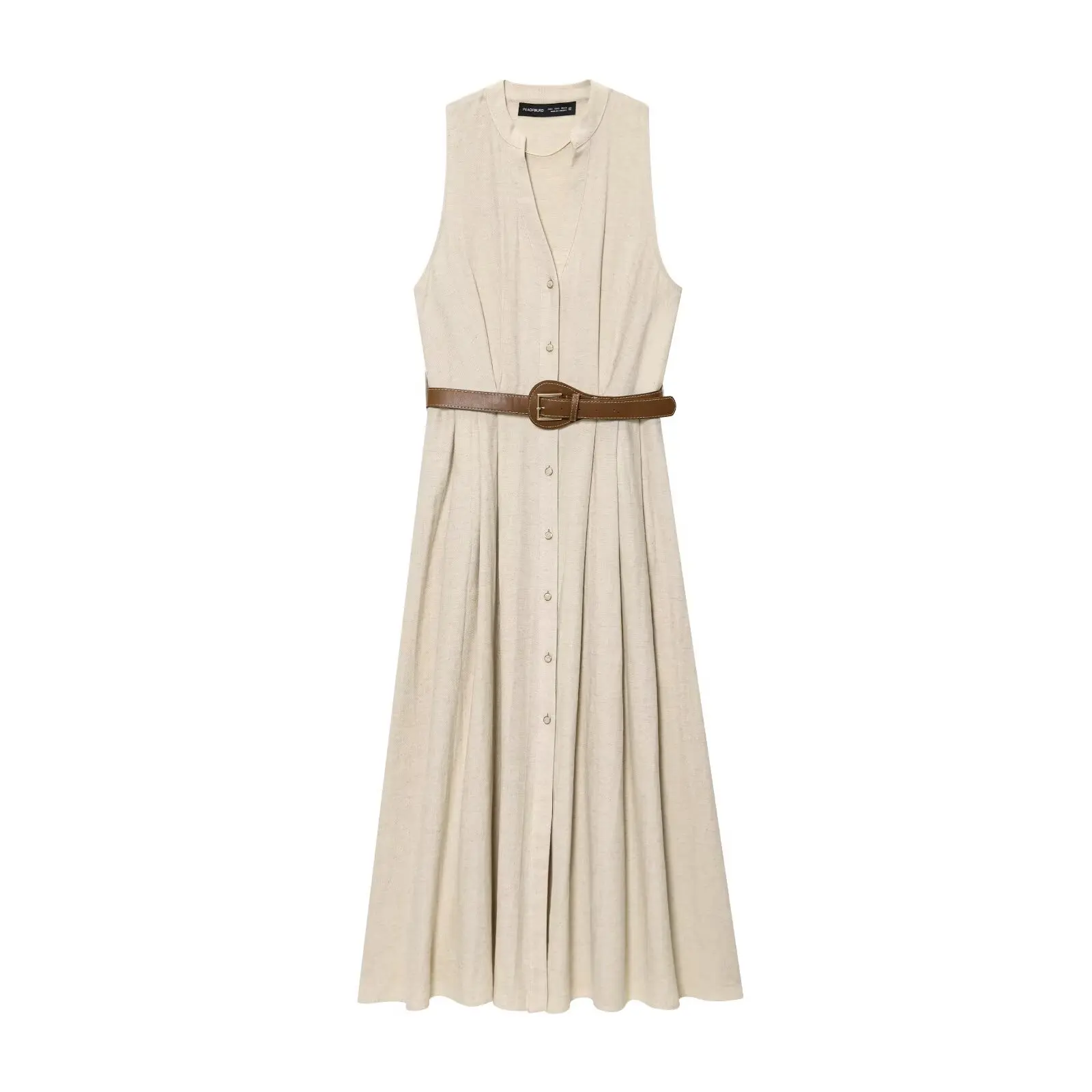
Women’s Elegant V-Neck Midi Shirt Dress – All Season Versatile Style
Discover timeless elegance with this sophisticated midi shirt dress that seamlessly transitions from casual daywear to evening party attire. This versatile piece features a flattering V-neckline that elongates the silhouette while the included belt creates a defined waistline for a slimming, feminine effect.
Frequently Asked Questions
Medium-width belts (1.5-2.5 inches) offer the perfect balance for most layering scenarios. They provide sufficient visual impact to define your waist while remaining proportionate to layered pieces. Adjust width based on your body type and the bulkiness of your layers.
Belt placement depends on your desired aesthetic and sweater style. Belt over loose, oversized sweaters to create structure and definition. Belt under open cardigans or lightweight sweaters to maintain clean lines while adding subtle waist emphasis to the underlying dress.
For neutral outfits, select belts in complementary neutral tones or add a pop of color as an accent piece. Brown leather works beautifully with warm neutrals, while black complements cool tones. Metallic belts offer versatile options that work with multiple neutral combinations.
Yes, but balance is crucial. If your dress or sweater features bold patterns, choose a solid-colored statement belt in a coordinating hue. Avoid competing patterns that create visual chaos. Let one element be the star while others provide supporting roles in your overall styling composition.
Conclusion
Mastering belt styling with sweater and dress layered outfit combinations transforms ordinary outfits into extraordinary style statements that showcase your fashion expertise. The strategic use of belts creates structure, enhances your natural silhouette, and adds sophisticated polish to any layered ensemble. By understanding belt types, placement techniques, color coordination, and body-specific considerations, you can create stunning layered looks that work for any season or occasion.
Remember that successful layering is about balance, proportion, and intentional styling choices that enhance rather than overwhelm your natural beauty. With these professional techniques, you’ll approach layered dressing with confidence and creativity.