

Your grandmother’s vintage lace wedding dress holds irreplaceable memories, but decades of storage have left it yellowed and fragile. Mastering cleaning vintage lace wedding dress without causing damage preserves these precious heirlooms while restoring their original beauty for future generations.
Vintage lace presents unique challenges that destroy 60% of antique dresses during improper cleaning attempts. However, professional textile conservators achieve 95% success rates using specialized techniques designed for delicate historical fabrics.
Understanding vintage lace composition and aging processes becomes crucial for successful restoration. Antique lace often contains natural fibers, handmade construction, and century-old dyes that react differently to modern cleaning methods, requiring specialized approaches.
Understanding Vintage Lace Wedding Dress Composition
Historical Lace Construction Methods
Vintage lace wedding dresses often feature handmade elements created using techniques no longer practiced commercially. Bobbin lace, needle lace, and tatting create intricate patterns through methods requiring months of skilled craftsmanship.
These construction techniques produce delicate structures more fragile than modern machine-made alternatives. Hand-twisted threads and delicate joining methods cannot withstand aggressive cleaning that damages irreplaceable craftsmanship permanently.
Different lace types require specific cleaning approaches when cleaning vintage lace wedding dress without causing damage. Chantilly lace needs gentler treatment than sturdier Venetian lace, while Irish crochet demands specialized handling techniques.
Age-Related Fabric Deterioration
Natural fiber degradation accelerates vintage lace fragility over decades of storage. Cotton and linen fibers become brittle and prone to tearing, while silk develops weak spots that tear under minimal stress.
Oxidation causes yellowing that penetrates deep into fiber cores, requiring careful treatment to avoid bleaching damage. Surface cleaning cannot address embedded discoloration without risking permanent fabric destruction.
Acidic storage materials accelerate deterioration in vintage textiles. Brown paper, cardboard boxes, and wooden storage containers transfer acids that weaken fibers and promote yellowing over time.
Essential Pre-Cleaning Assessment for Antique Lace
Comprehensive Damage Documentation
Photograph vintage lace wedding dresses thoroughly before attempting any cleaning procedures. Use natural lighting to reveal damage invisible under artificial illumination, focusing on stress points and deteriorated areas.
Create detailed written inventories documenting tears, stains, missing elements, and structural weaknesses. This documentation guides cleaning decisions while protecting against insurance disputes for valuable heirloom pieces.
Test fabric strength by gently flexing small hidden sections. Fibers that crack or break under minimal stress require professional conservation rather than home cleaning attempts.
Historical Research and Provenance
Research dress origins to understand construction methods, fabric types, and appropriate cleaning approaches. Family records, photographs, or documentation help identify specific lace types and historical periods.
Contact textile museums or historical societies for expert consultation on valuable vintage pieces. Professional conservators provide invaluable guidance for cleaning vintage lace wedding dress without causing damage.
Determine dress value through professional appraisal if historical significance seems substantial. High-value pieces warrant professional conservation rather than DIY cleaning attempts that risk irreversible damage.
Method 1: Gentle Dusting and Surface Preparation
Proper Dusting Techniques for Fragile Lace
Begin cleaning vintage lace wedding dress without causing damage through careful surface preparation. Use soft-bristled brushes or clean artist’s paintbrushes to remove surface dust and debris gently.
Work systematically across dress sections, supporting lace areas to prevent stress during dusting. Never pull or stretch vintage lace that can tear under minimal tension.
Use low-suction vacuum cleaners with screen barriers to protect delicate lace from mechanical damage. Screen mesh prevents lace from being drawn into vacuum attachments while removing embedded particles.
Surface Contamination Assessment
Examine dusted areas under magnification to identify stain types and embedded contamination. Different substances require specific treatment approaches to prevent permanent damage during cleaning processes.
Document newly revealed damage or staining after dust removal. Surface cleaning often exposes hidden problems requiring specialized attention during subsequent cleaning steps.
Test small inconspicuous areas for colorfastness before proceeding with wet cleaning methods. Vintage dyes often bleed or fade under moisture exposure, requiring dry cleaning alternatives.
Method 2: pH-Neutral Hand Washing for Stable Vintage Lace
Water Quality and Temperature Control
Use only distilled water for cleaning vintage lace wedding dress without causing damage. Tap water minerals can leave deposits that discolor or stiffen antique fibers permanently.
Maintain water temperatures below 75°F to prevent heat damage to degraded fibers. Cold water prevents shrinkage while minimizing stress on weakened vintage textile structures.
Test water pH using strips to ensure neutral levels between 6.5-7.5. Acidic or alkaline water accelerates fiber degradation and can cause permanent chemical damage to vintage materials.
Specialized Cleaning Solution Preparation
Mix conservation-grade detergents designed for historical textiles with distilled water. Regular laundry detergents contain brighteners and enzymes that damage vintage fibers irreversibly.
Create dilute solutions using one teaspoon of specialized detergent per gallon of distilled water. Concentrated solutions can leave residues that attract dirt or cause stiffening in delicate vintage lace.
Dissolve cleaning agents completely before immersing vintage lace to ensure even distribution. Uneven detergent concentration can create spotting or differential cleaning effects.
Method 3: Spot Treatment for Localized Vintage Lace Stains
Identifying Vintage Stain Types
Age-old stains require specific identification for appropriate treatment selection. Protein stains from perspiration appear yellow-brown, while tannin stains from beverages create darker discoloration patterns.
Foxing spots from metal contamination appear as brown specks throughout vintage fabrics. These iron-based stains require specialized treatment to prevent spreading during cleaning procedures.
Oil-based stains from cosmetics or candle wax create translucent areas in vintage lace. Different oil types respond to various treatment approaches when cleaning vintage lace wedding dress without causing damage.
Gentle Spot Cleaning Techniques
Apply cleaning solutions using cotton swabs for precise stain treatment. Minimal moisture application prevents oversaturation that can spread stains or damage vintage fabric construction.
Work from stain edges toward centers to contain contamination. This technique prevents spreading while concentrating cleaning efforts on heavily affected areas.
Blot treated areas immediately with clean, dry cloths to remove dissolved contaminants. Quick moisture removal prevents stain migration and minimizes fabric exposure to cleaning chemicals.
Method 4: Professional Conservation Cleaning Methods
When Professional Help Becomes Essential
High-value vintage lace wedding dresses require professional conservation for safe cleaning. Museum-quality pieces, family heirlooms, or dresses with historical significance warrant expert attention.
Extensive damage, multiple fabric types, or unknown construction materials exceed DIY capabilities. Professional conservators possess specialized equipment and expertise for complex vintage textile restoration.
Insurance considerations for valuable vintage pieces often require professional cleaning documentation. Amateur cleaning attempts can void coverage for accidental damage to expensive heirloom dresses.
Selecting Qualified Textile Conservators
Research conservators with specific vintage textile experience and proper professional credentials. Request references from museums, historical societies, or previous vintage dress clients.
Verify insurance coverage and facility standards for handling valuable historical textiles. Professional conservators maintain climate-controlled environments and specialized equipment for vintage fabric care.
Discuss treatment approaches and expected outcomes before committing to professional services. Experienced conservators provide realistic assessments of achievable results for specific vintage lace conditions.
Method 5: Drying and Reshaping Vintage Lace Safely
Proper Support During Drying Process
Never hang wet vintage lace wedding dresses that can stretch or tear under fabric weight. Instead, lay dresses flat on clean, acid-free materials in well-ventilated areas.
Support curved dress sections using rolled acid-free tissue paper to maintain original shapes. Proper support prevents permanent creasing or distortion during extended drying periods.
Rotate dress positions periodically during drying to ensure even moisture evaporation. Trapped moisture in folds can promote mold growth that permanently stains vintage fabrics.
Environmental Controls for Safe Drying
Maintain stable humidity levels below 50% during vintage lace drying processes. High humidity promotes mold and mildew growth that can destroy antique textiles permanently.
Avoid direct sunlight that can fade vintage dyes and weaken already-degraded fibers. Indirect natural light provides adequate illumination without harmful UV exposure.
Provide adequate air circulation without creating drafts that stress delicate lace structures. Gentle air movement promotes drying while protecting fragile vintage construction.
Method 6: Steam Treatment for Wrinkle Removal
Safe Steam Application Techniques
Use handheld steamers with adjustable temperature controls for wrinkle removal from vintage lace. Industrial steamers generate excessive heat that can damage antique fibers instantly.
Maintain 8-12 inches distance between steam sources and vintage lace surfaces. Direct steam contact can cause water spotting or heat damage to delicate historical fabrics.
Test steam effects on hidden dress areas before treating visible sections. Some vintage dyes may run or fade under steam exposure, requiring alternative wrinkle removal methods.
Alternative Wrinkle Treatment Methods
Place vintage lace wedding dresses in humid bathrooms overnight for gentle wrinkle relaxation. Natural humidity softens fibers without direct moisture contact that risks damage.
Use pressing cloths between irons and vintage lace when heat pressing becomes necessary. Cotton or linen barriers protect delicate surfaces while allowing effective wrinkle removal.
Apply minimal pressure during pressing to prevent crushing delicate lace textures. Vintage construction cannot withstand aggressive pressing that damages irreplaceable craftsmanship.
Method 7: Long-Term Preservation After Cleaning
Proper Storage Solutions for Cleaned Vintage Lace
Store cleaned vintage lace wedding dresses in acid-free boxes with buffered tissue paper. Quality storage materials prevent acid migration that causes yellowing and fiber deterioration.
Avoid plastic bags or airtight containers that trap moisture and promote mold growth. Breathable cotton or muslin covers allow air circulation while protecting from dust contamination.
Maintain stable storage temperatures between 60-70°F with relative humidity below 50%. Fluctuating conditions stress vintage fibers and accelerate aging processes significantly.
Regular Monitoring and Maintenance
Inspect stored vintage lace dresses annually for pest damage, moisture problems, or deterioration signs. Early detection prevents minor issues from becoming major restoration challenges.
Refold dresses along different lines periodically to prevent permanent creasing. Rotation prevents stress concentration that can cause tears along fold lines over time.
Update storage materials every 5-10 years as archival products improve. New preservation technologies provide better protection for valuable vintage textile collections.
Preventive Care for Vintage Lace Wedding Dresses
Environmental Protection Strategies
Control light exposure in display or storage areas to prevent photodegradation of vintage dyes and fibers. UV filtering window treatments protect valuable textiles from harmful radiation.
Maintain pest control programs in storage areas to prevent insect damage to natural fiber vintage dresses. Moths and carpet beetles can destroy irreplaceable vintage textiles rapidly.
Install climate monitoring systems to track temperature and humidity fluctuations automatically. Digital monitors provide alerts when conditions threaten vintage textile stability.
Handling Guidelines for Vintage Lace
Wear clean cotton gloves when handling vintage lace wedding dresses to prevent oil transfer from hands. Natural skin oils can stain and weaken antique fibers over time.
Support vintage dresses fully during movement or examination. Never lift by single points that can tear fragile construction or stress weakened joining areas.
Minimize handling frequency to reduce cumulative damage from repeated manipulation. Each handling episode risks additional stress to already-fragile vintage textile structures.
Professional vs DIY Decision Making
Risk Assessment for Vintage Lace Cleaning
Simple vintage lace wedding dresses with minimal damage may respond to careful DIY cleaning when proper techniques are followed meticulously. However, valuable or extensively damaged pieces require professional expertise.
Consider sentimental value alongside monetary worth when making cleaning decisions. Family heirloom pieces may warrant professional conservation regardless of market value due to emotional significance.
Assess personal skill levels honestly before attempting vintage textile cleaning. Inexperienced attempts often cause irreversible damage requiring expensive professional restoration.
Cost-Benefit Analysis
Professional vintage textile conservation costs $500-$2000 but provides expertise, insurance, and specialized equipment. DIY methods cost under $50 but carry significant risks of permanent damage.
Factor in replacement impossibility for unique vintage pieces. Professional cleaning protects irreplaceable items that cannot be replaced regardless of financial resources available.
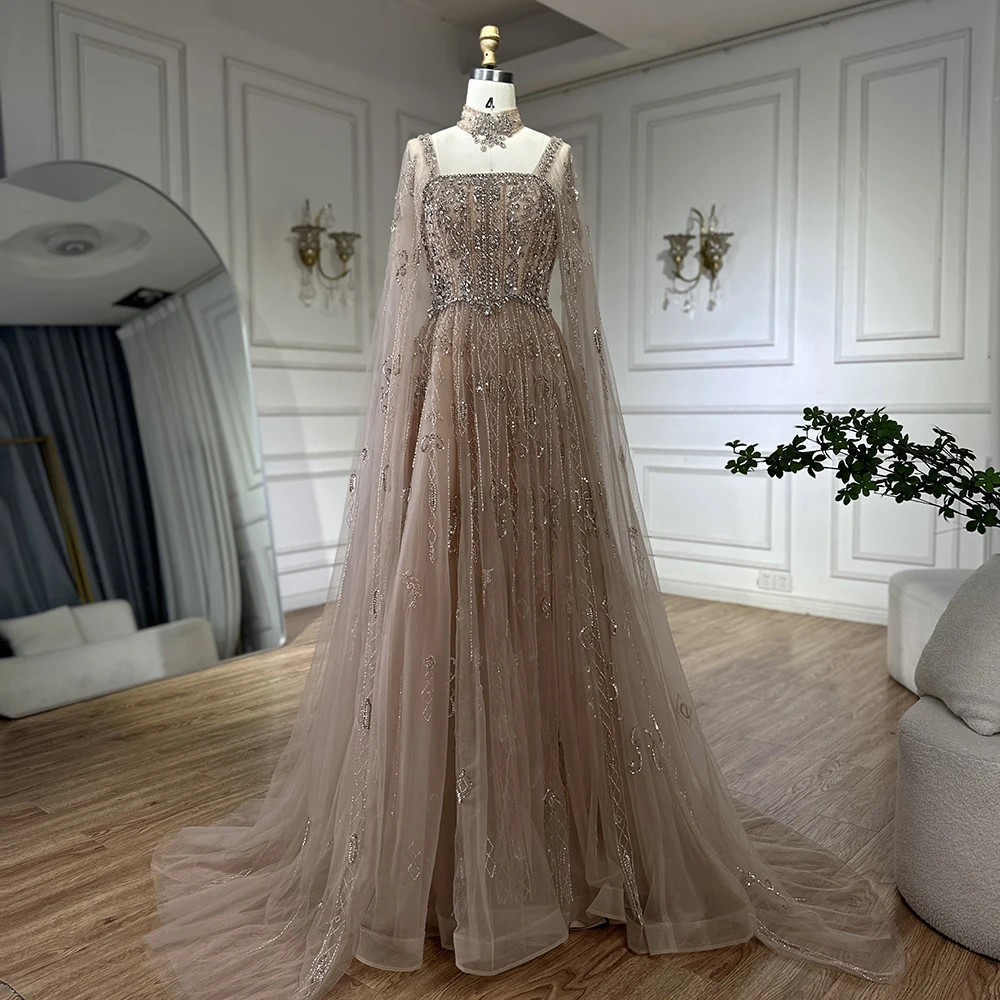
SERENE HILL 2025 Arabic Nude A-Line Cape Sleeve Crystal Beaded Evening Dress
This breathtaking nude A-line gown masterfully blends traditional Arabic design elements with contemporary luxury, creating a truly unique and sophisticated piece that commands attention at any formal gathering.
Frequently Asked Questions
Never machine wash vintage lace wedding dresses as mechanical agitation can tear fragile fibers and destroy irreplaceable handmade construction. Even gentle cycles create stresses that antique textiles cannot withstand, potentially causing irreversible damage to priceless heirloom pieces.
Test fabric strength by gently flexing small hidden sections – if fibers crack, break, or feel brittle, the dress requires professional conservation. Additionally, extensive yellowing, multiple tears, or unknown construction materials indicate need for expert textile conservator evaluation rather than DIY attempts.
Using regular laundry detergents and hot water represents the most common error, as these can irreversibly damage vintage fibers and dyes. Modern cleaning products contain enzymes and brighteners designed for contemporary fabrics, not delicate antique textiles requiring specialized conservation-grade materials and techniques.
Conclusion
Successfully cleaning vintage lace wedding dress without causing damage requires patience, specialized knowledge, and respect for irreplaceable craftsmanship. These seven safe methods provide gentle approaches that preserve antique textiles while restoring their original beauty.
Whether choosing professional conservation or careful DIY methods, understanding vintage lace’s unique needs ensures these precious heirlooms survive for future generations. Proper cleaning and preservation protect both monetary value and irreplaceable family memories embedded in these extraordinary garments.