
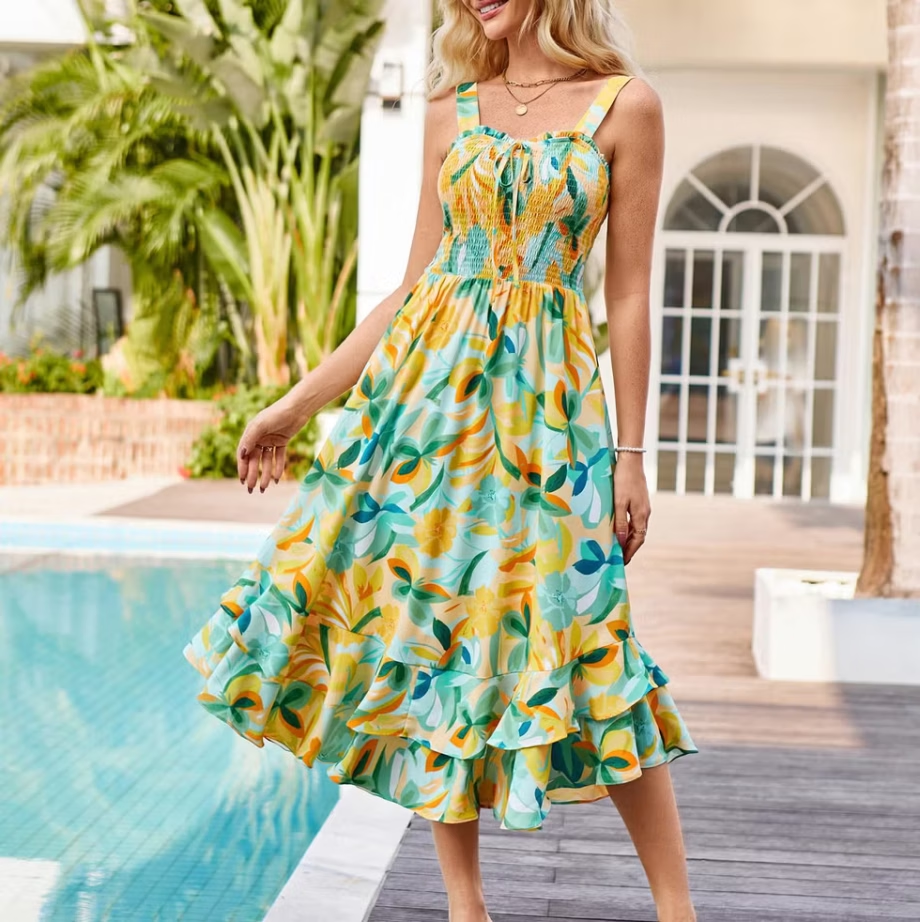
Your favorite floral dresses deserve proper care to maintain their beauty. Floral summer dress care tips help preserve vibrant colors, delicate fabrics, and perfect fit throughout countless wears and washes.
Nothing disappoints quite like seeing a beloved dress fade or lose its shape. Proper maintenance extends garment life significantly while keeping colors brilliant. Let’s explore professional techniques that protect your summer wardrobe investments effectively.
Why Floral Summer Dress Care Tips Matter
Quality garment care saves money while reducing environmental impact tremendously. According to textile industry research, proper washing techniques extend clothing life by 50% on average.
Floral prints face unique challenges compared to solid colors. Multiple dye applications require special attention during cleaning. Understanding fabric properties and print techniques helps you make informed care decisions.
Your dresses maintain their value when properly maintained consistently. Well-cared garments look newer longer, offering better cost-per-wear value. This approach aligns with sustainable fashion principles beautifully.
Understanding Fabric Composition
Different materials require distinct care approaches for optimal results. Cotton handles frequent washing well but may shrink without precautions. Silk demands gentle treatment and specific products.
Always check care labels before attempting any cleaning method. Manufacturers provide guidance based on fabric testing and construction. Following these instructions prevents expensive mistakes and damage.
Pre-Washing Preparation Essentials
Preparation prevents damage before clothes even touch water. Sort garments carefully by color and fabric weight initially. This simple step protects against color bleeding disasters.
Turn floral dresses inside out before washing always. This protects prints from direct agitation and friction damage. Zippers and buttons should remain fastened to maintain shape.
Check pockets for forgotten items like tissues or receipts. These cause significant damage during wash cycles. Remove any detachable belts or accessories separately.
Color Testing for New Dresses
New floral dresses may bleed dye during initial washes. Test colorfastness by dampening a hidden seam with water. Blot with a white cloth to check for color transfer.
If dye transfers, wash the dress separately for several cycles. Add a cup of white vinegar to set colors naturally. This prevents ruining other garments in future loads.
Choosing Appropriate Cleaning Methods
Machine washing offers convenience but requires proper settings and precautions. Hand washing provides gentler treatment for delicate fabrics and embellishments.
Floral summer dress care tips emphasize using cold water whenever possible. Hot water causes colors to fade rapidly and fabrics to shrink. Cold water cleans effectively while protecting garments.
Select gentle or delicate cycles for all floral dresses. These cycles use less agitation and shorter spin times. Your dresses experience less stress during cleaning.
Hand Washing Techniques for Delicate Pieces
Fill a basin with cool water and mild detergent. Submerge the dress gently, avoiding harsh twisting or wringing. Let it soak for 15-20 minutes maximum.
Swish the dress gently through the water occasionally. Rinse thoroughly with cool water until no suds remain. Press water out gently rather than wringing forcefully.
Lay flat on clean towels to remove excess water. Roll the towel with the dress inside, pressing gently. Never hang soaking wet dresses as weight stretches fabric.
Selecting Proper Detergents and Products
Detergent choice significantly impacts garment longevity and color vibrancy. Harsh chemicals strip colors and weaken fabric fibers over time.
Choose mild, color-safe detergents specifically formulated for delicate fabrics. Avoid products with bleach or optical brighteners completely. These chemicals damage prints irreparably.
Liquid detergents dissolve more completely than powders in cold water. They leave fewer residues on fabric surfaces. Use half the recommended amount for lightly soiled items.
Natural Cleaning Alternatives
White vinegar serves multiple purposes in garment care naturally. It sets colors, removes odors, and softens fabrics without chemicals. Add one cup during the rinse cycle.
Baking soda gently deodorizes without harsh fragrances or chemicals. It also helps remove stains when made into paste. These alternatives cost less than commercial products.
According to environmental studies, natural cleaning methods reduce household chemical exposure by 80%. They’re safer for you and the environment simultaneously.
Stain Removal Without Damage
Address stains immediately for best removal chances always. Fresh stains release more easily than set-in ones. Blot rather than rub to prevent spreading.
Different stains require specific treatment approaches for effective removal. Oil-based stains need dish soap, while protein stains need cold water. Research appropriate methods before attempting removal.
Test any stain treatment on hidden areas first. This prevents visible damage or discoloration on dress fronts. Better safe than sorry with beloved garments.
Common Summer Stain Solutions
Grass stains respond well to rubbing alcohol or hydrogen peroxide. Apply directly, let sit briefly, then wash normally. Repeat if necessary before drying.
Sunscreen stains appear orange and feel greasy to touch. Treat with dish soap and warm water before washing. Never put sunscreen-stained items in the dryer prematurely.
Berry and fruit stains need immediate cold water treatment. Flush from the wrong side to push stain out. Hot water sets these stains permanently.
Proper Drying Techniques Preserve Beauty
Dryer heat damages fabrics, fades colors, and shrinks garments dramatically. Air drying preserves dress quality far better than machine drying.
Hang dresses on padded hangers in shaded, well-ventilated areas. Direct sunlight fades colors rapidly despite seeming helpful. Indoor drying prevents UV damage.
Reshape garments while still damp for best results. Smooth seams and straighten hems to prevent permanent creases. This attention prevents ironing later.
Machine Drying When Necessary
If machine drying becomes necessary, use lowest heat settings available. Remove dresses while still slightly damp to prevent overdrying. Finish air drying on hangers.
Add wool dryer balls to reduce static and drying time. They’re reusable and chemical-free unlike dryer sheets. Your dresses dry faster with less heat exposure.
Never overdry delicate fabrics as this causes irreversible damage. Overdried garments develop brittle fibers that tear easily. Remove promptly when cycle ends.
Ironing and Steaming Best Practices
Most floral dresses benefit from steaming rather than direct ironing. Steamers remove wrinkles gently without pressing fabric flat. They’re faster and safer for prints.
When ironing becomes necessary, always use lowest temperature settings. Iron inside out to protect prints from direct heat. Use pressing cloths for extra protection.
Never iron directly over embellishments, sequins, or delicate details. These melt or flatten permanently under heat and pressure. Work around them carefully.
Creating Professional Finishes at Home
Hang freshly steamed dresses in bathrooms during hot showers. Rising steam naturally releases wrinkles without effort or equipment. This trick works beautifully for travel.
Spray bottles with water and fabric refresher work wonders too. Mist lightly and smooth with hands while hanging. Most wrinkles disappear as fabric dries completely.
Storage Solutions That Protect Investment
Proper storage prevents damage during off-season months significantly. Clean all garments thoroughly before storing to prevent stains from setting. Insects attack dirty clothes preferentially.
Use padded hangers that maintain shoulder shape without stretching. Wire hangers create permanent creases and distort garment shape. Invest in quality hangers for best results.
Store dresses in breathable garment bags, never plastic. Plastic traps moisture, encouraging mildew growth and yellowing. Cotton or canvas bags allow air circulation.
Floral Summer Dress Care Tips for Long-Term Storage
Add cedar blocks or lavender sachets to repel moths naturally. These alternatives smell pleasant unlike chemical mothballs. Replace annually for continued effectiveness.
Store in cool, dark, dry locations away from direct sunlight. Attics and basements often experience temperature and humidity extremes. Bedroom closets usually work best overall.
Check stored garments quarterly for any developing problems. Early detection prevents extensive damage from insects or mildew. Refold to prevent permanent creasing along fold lines.
Extending Dress Life Between Wears
Not every wear requires full washing cycles unnecessarily. Spot clean minor marks with damp cloths immediately. This reduces overall washing frequency significantly.
Air out dresses after wearing by hanging in fresh air. This removes odors naturally without washing. Most garments need washing every 3-4 wears maximum.
Rotate dresses regularly rather than wearing favorites repeatedly. This distributes wear evenly across your wardrobe collection. Each piece lasts longer with rest between wears.
Quick Refresh Techniques
Fabric refresher sprays neutralize odors between washes effectively. Choose natural options without heavy synthetic fragrances. Light misting works better than soaking completely.
Steam refresh cycles on dryers remove wrinkles without full washing. These cycles take 15-20 minutes and use no water. Your dress looks freshly pressed instantly.
Professional Cleaning When Necessary
Some dresses require professional dry cleaning despite home care efforts. Structured garments with linings often need expert attention. Delicate embellishments demand professional handling always.
Choose reputable cleaners who specialize in delicate garments specifically. Point out any stains or problem areas explicitly. Communication ensures proper treatment and prevents damage.
Professional cleaning costs more but protects valuable investment pieces. Special occasion dresses deserve expert care for longevity. Consider it part of ownership costs.
When to Seek Professional Help
Dry clean any dress labeled “dry clean only” without exception. Home attempts often cause irreversible damage and expense. Professional expertise prevents costly mistakes completely.
Seek professional help for mystery stains you cannot identify. Incorrect treatment sets stains permanently in many cases. Experts have specialized products and knowledge.

Women’s V-Neck Ruffled Mini Dress
Elegant and versatile summer dress featuring a flattering V-neckline and feminine ruffled details.
Frequently Asked Questions
Wash dresses every 3-4 wears unless visibly soiled or odorous. Overwashing fades colors and weakens fabric fibers prematurely. Spot clean minor marks between full washes. Air out dresses after each wear to remove odors naturally. This approach extends garment life significantly while maintaining freshness and appearance throughout the season.
Use mild, color-safe detergents specifically formulated for delicate fabrics and prints. Regular detergents contain harsh chemicals that fade colors rapidly. Choose liquid versions that dissolve completely in cold water. Use half the recommended amount for lightly soiled garments. Natural alternatives like soap nuts work beautifully for sensitive skin too.
Steaming offers the safest, most effective wrinkle removal method for floral dresses. Hang the dress in your bathroom during hot showers for passive steaming. Use handheld steamers for quick touch-ups before wearing. Mist lightly with water and smooth by hand while hanging. These methods prevent heat damage while creating polished appearances.
Always wash new floral dresses separately for the first several washes. Add white vinegar to rinse cycles to set dyes naturally. Turn dresses inside out before washing to protect prints. Use cold water exclusively as hot water releases dyes rapidly. Sort by color intensity to prevent dark prints from staining lighter ones.
Conclusion
Floral summer dress care tips protect your wardrobe investments while maintaining vibrant beauty season after season. Proper washing, drying, storage, and maintenance techniques extend garment life dramatically.
Implementing these professional care strategies saves money while reducing environmental impact through longer garment lifespans. Your favorite floral dresses deserve attention that preserves their original beauty and quality. With consistent care, these beloved pieces remain wardrobe staples for many summers ahead, looking fresh and vibrant with every wear.